
Why IVF Fails for Some Couples & How the Right Treatment Improves Success
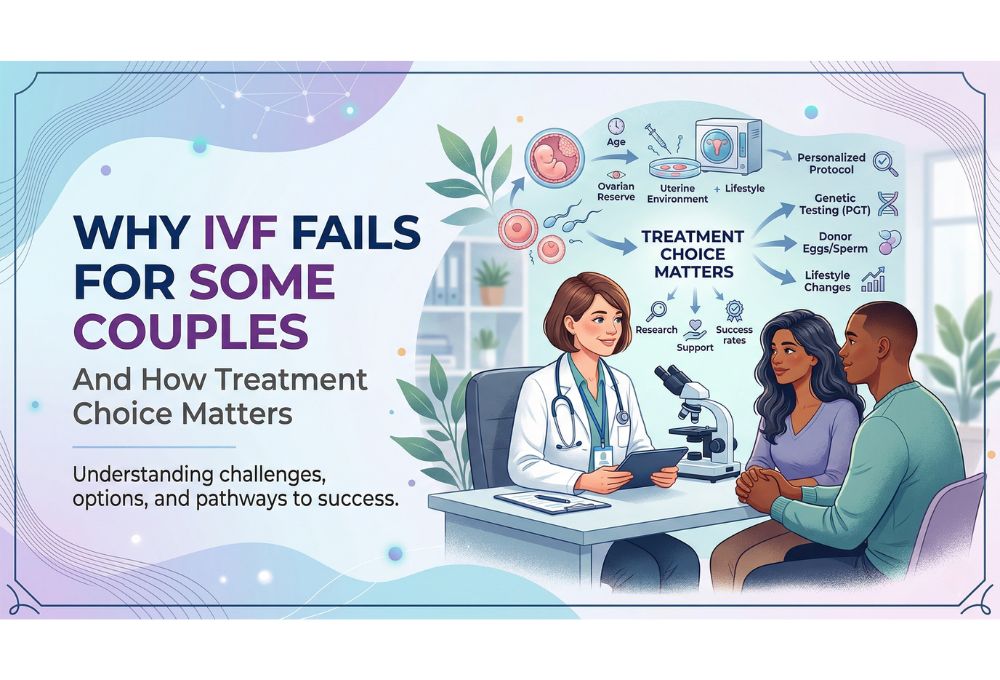
Understanding IVF Failure Beyond Myths
In Vitro Fertilization (IVF) has brought hope to millions of couples worldwide. However, not every IVF cycle results in pregnancy. When a cycle fails, it can be emotionally devastating and raise an important question — why IVF fails even with advanced medical technology.
The truth is, IVF success depends on multiple biological and medical factors. A failed cycle does not mean the end of your journey. Instead, it highlights the need for deeper evaluation and possibly a change in treatment approach.
Understanding the real failed IVF cycles reasons can help couples make informed decisions and improve their chances in future attempts.
What Is Considered IVF Failure?
IVF failure occurs when an embryo transfer does not lead to a successful pregnancy. This may happen due to:
- Failure of fertilization
- Poor embryo development
- Implantation failure
- Early miscarriage
Each stage of IVF is critical, and failure at any point can affect the final outcome. That is why identifying the exact reason behind failure is essential for planning the next step.
Common Reasons Why IVF Fails
There is no single answer to why IVF fails. In most cases, multiple factors contribute to unsuccessful outcomes.
1. Poor Egg Quality
Egg quality is one of the most important factors affecting IVF success. As age increases, especially after 35, egg quality declines significantly.
Poor-quality eggs may:
- Fail to fertilize
- Result in abnormal embryos
- Lead to implantation failure
This is one of the most common failed IVF cycles reasons and often requires a modified treatment strategy.
2. Sperm-Related Issues
Male fertility plays an equally important role. Even when sperm count appears normal, issues like DNA fragmentation can affect embryo quality.
In such cases, advanced techniques like ICSI or IMSI may be recommended as part of the best IVF treatment approach.
3. Embryo Quality Problems
Not all embryos are capable of developing into a healthy pregnancy. Some embryos may have genetic abnormalities that prevent implantation.
Advanced embryo selection methods used in a well-equipped fertility clinic Pune can improve the chances of choosing viable embryos.
4. Implantation Failure
Even high-quality embryos may fail to implant in the uterus. This can happen due to:
- Uterine lining issues
- Hormonal imbalance
- Immune factors
Implantation failure is one of the most frustrating aspects of IVF and requires specialized evaluation.
5. Incorrect Treatment Protocol
Every patient requires a personalized approach. A standard protocol may not work for everyone.
Choosing the best IVF treatment means:
- Customizing medication
- Adjusting stimulation protocols
- Using advanced techniques when needed
A tailored approach significantly improves outcomes.
6. Age and Ovarian Reserve
Age is a critical factor affecting fertility. Women with low ovarian reserve or advanced age may have fewer and lower-quality eggs.
This directly impacts the IVF success rate India, making early intervention extremely important.
7. Underlying Medical Conditions
Conditions such as:
- Endometriosis
- PCOS
- Fibroids
can affect both egg quality and implantation. Proper diagnosis and treatment of these conditions are essential before proceeding with IVF.
Why Choosing the Right Treatment Matters
One of the most overlooked reasons behind IVF failure is not the procedure itself—but the treatment strategy.
Different couples require different approaches. For example:
- Severe male infertility → ICSI/IMSI
- Recurrent IVF failure → advanced embryo screening
- Low ovarian reserve → specialized stimulation protocols
A reputed fertility clinic Pune focuses on individualized care rather than a one-size-fits-all approach.
How to Improve IVF Success Rates
If you’ve experienced a failed cycle, there are several ways to improve outcomes in the next attempt.
✔ Personalized Treatment Plan
A customized plan based on your medical profile increases success chances.
✔ Advanced Techniques
Using ICSI, IMSI, or embryo selection methods can improve fertilization and implantation.
✔ Lifestyle Improvements
- Maintain healthy weight
- Avoid smoking and alcohol
- Manage stress
✔ Early Diagnosis
Understanding the exact failed IVF cycles reasons allows doctors to correct issues before the next cycle.
Emotional Impact of IVF Failure
Experiencing IVF failure can be emotionally overwhelming. Many couples feel:
- Disappointment
- Anxiety about future attempts
- Financial stress
- Loss of hope
It is important to remember that IVF often requires more than one cycle. With the right guidance and treatment adjustments, many couples go on to achieve successful pregnancies.
Why Experience and Expertise Matter
Choosing the right clinic can make a significant difference. A trusted fertility clinic Pune offers:
- Advanced laboratory technology
- Experienced fertility specialists
- Personalized treatment protocols
- Transparent communication
These factors directly influence the IVF success rate India and improve patient confidence.
When to Try Again After IVF Failure
After a failed cycle, doctors usually recommend a detailed review before starting again. This includes:
- Analyzing previous cycle data
- Identifying possible causes
- Modifying treatment strategy
Rushing into another cycle without understanding why IVF fails can lead to repeated failures. A planned and informed approach increases success chances.
IVF Failure Is Not the End
A failed IVF cycle can feel like a setback, but it is often just a step in the journey. Understanding why IVF fails and addressing the underlying issues can significantly improve your chances in future attempts.
With the right diagnosis, advanced techniques, and personalized care from a trusted fertility clinic Pune, many couples successfully achieve parenthood after initial failures.
The key is not to lose hope—but to move forward with better knowledge and the right treatment plan.
FAQs
Q1. What is the most common reason why IVF fails?
The most common reason behind why IVF fails is poor embryo quality, which is often linked to egg or sperm health. Even if fertilization occurs, embryos with genetic abnormalities may not implant successfully. Other contributing factors include uterine conditions and hormonal imbalances. A detailed evaluation helps identify the exact cause and improve outcomes in future cycles.
Q2. Can IVF work after a failed cycle?
Yes, many couples achieve success after one or more failed attempts. Understanding the failed IVF cycles reasons allows doctors to adjust the treatment plan, use advanced techniques, or address underlying issues. With a personalized approach, the chances of success often improve significantly in subsequent cycles.
Q3. Does age affect IVF success?
Yes, age is one of the most important factors influencing the IVF success rate India. As women age, egg quality and quantity decline, reducing the chances of successful fertilization and implantation. Younger patients generally have higher success rates, which is why timely treatment is strongly recommended.
Q4. How can I improve my IVF success chances?
Improving success involves choosing the best IVF treatment based on your condition, maintaining a healthy lifestyle, and working with an experienced fertility specialist. Advanced techniques like ICSI or embryo selection may also be used. A personalized treatment plan is key to achieving better results.
Q5. How important is choosing the right clinic?
Selecting the right fertility clinic Pune plays a crucial role in IVF success. Clinics with advanced technology, experienced specialists, and individualized care approaches tend to have better outcomes. The quality of lab facilities and treatment planning directly impacts your chances of a successful pregnancy.